
Side Dishes
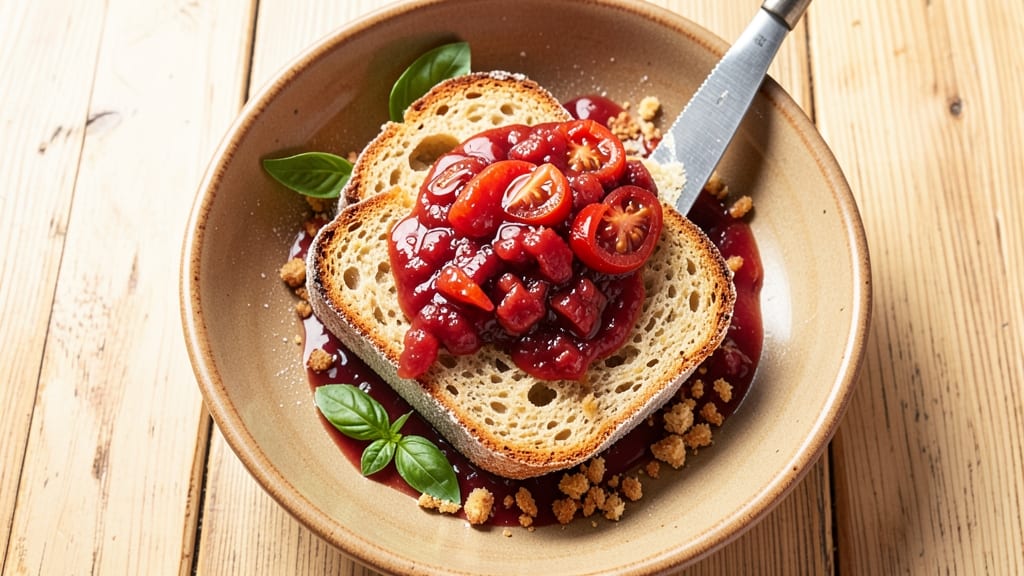
This Amish tomato bread recipe brings a taste of Pennsylvania farmhouse tradition to your kitchen table with its sweet, vinegar-infused loaf and signature tangy crust.
The secret lies in blending ripe tomatoes with vinegar and sugar, creating a unique balance of sweetness and acidity that sets this bread apart from ordinary loaves. I first discovered this recipe while visiting an Amish community, where it's a beloved staple served alongside hearty meals.
The beauty of this recipe is its simplicity—just a few pantry staples come together to create something extraordinary. You'll use basic ingredients like flour, yeast, and sugar, but it's the tomato-vinegar mixture that transforms this into a truly special loaf.
The bread has a soft, slightly dense texture with a crisp crust that holds up beautifully when sliced, making it perfect for serving with butter or soups.
What makes this bread truly remarkable is how the flavors develop during baking. The tomatoes caramelize slightly, while the vinegar adds a subtle tang that brightens every bite.
This recipe yields a loaf that's rich enough to stand alone but versatile enough to complement any meal, from a simple supper to a festive gathering.
Traditionally, Amish tomato bread is baked in a Dutch oven for an even crust and perfect rise. Once you try this homemade version, you'll never settle for store-bought again.
The aroma alone will have everyone asking for seconds, and the flavor will transport you straight to the heart of Pennsylvania's farm country.
Ingredients for amish tomato bread
Five pantry staples and a few fresh ingredients transform into Amish tomato bread's signature sweet-tangy loaf.
| Ingredient | Amount | Notes |
|---|---|---|
| All-Purpose Flour 🌾 | 4 cups | Sifted for even texture |
| Active Dry Yeast 🍞 | 2 ¼ tsp | Fresh yeast preferred |
| Granulated Sugar 🍚 | ¼ cup | White or light brown |
| Salt 🧂 | 1 tsp | Kosher or sea salt |
| Ripe Tomatoes 🍅 | 1 ½ cups | Chopped, vine-ripened preferred |
| White Vinegar 💧 | ¼ cup | Distilled vinegar works too |
| Unsalted Butter 🧈 | ½ cup | Room temperature, full-fat |
| Warm Water 💧 | ¾ cup | 110°F for yeast activation |
| Large Eggs 🥚 | 1 whole | Room temperature |
| Milk 🥛 | ¼ cup | Whole milk preferred |
| Cornmeal 🌽 | ¼ cup | For dusting Dutch oven |
The tomatoes are non-negotiable—vine-ripened makes all the difference. I grab Heirloom varieties from local farmers markets when I can, but the grocery store's Roma tomatoes work fine. Skip the canned stuff—it's watery and lacks that fresh, bright flavor. The vinegar should be white distilled for a clean tang, but apple cider vinegar adds a nice depth if you prefer. Pro tip: if your tomatoes are super juicy, strain the mixture through a fine-mesh sieve to avoid a soggy dough. For yeast, Fresh & Wild brand is my go-to since it's reliable, but any active dry yeast works if you proof it properly.
No vinegar? Lemon juice at half the amount gets you close, though the flavor won't be identical. Short on butter? Applesauce or coconut oil keeps it vegan, but the texture will be slightly denser. The milk can be swapped for water or plant-based milk, though whole milk gives that classic richness. If you're gluten-free, King Arthur's gluten-free flour blend works well—just expect a denser crumb. For the dough, I always let it rise twice: once to develop flavor, then a second rise before baking. That's where the magic happens—don't rush it!
This bread keeps beautifully—3 days at room temperature wrapped in a clean kitchen towel, or 1 week refrigerated in an airtight bag. For longer storage, slice and freeze portions on a tray before bagging—3 months in the freezer with no quality loss. The crust stays crisp even after reheating. I love serving it warm with homemade butter or jam, but it's also perfect toasted with a sprinkle of flaky salt. Leftovers? Toss them in the toaster for quick toast or croutons.
Why You'll Love This Recipe
- No Yeast Nightmares: I swear, this dough rises like magic—no kneading, no waiting forever. Just toss in the yeast, let it sit while you chop tomatoes, and boom, ready to shape in under an hour. (Yes, even on a Tuesday night when I’d rather be scrolling.)
- Sweet-Savory Magic: That sugar in the dough? It caramelizes just enough when baked, balancing the tangy tomatoes like a perfect hug. The crust gets this crispy edge while staying soft inside—crusty on the outside, pillowy within. Honestly, I’ve never met a bread that does both better.
- Tomato Overload? Use ‘Em All: Got a glut of garden tomatoes? This recipe turns them into something special without extra effort. Just blend, mix, and bake—no fancy sauces or canning needed. Between us, it’s my go-to when I’m drowning in heirloom tomatoes and need a break from salsa.
Step-by-step instructions for Amish tomato bread
This sweet vinegar-infused loaf delivers a tangy crust and tender crumb every time—here's how to make it.
Activate the Yeast and Prepare Tomato Paste
In a small bowl, whisk together the 0.75 cup warm water, 2.25 tsp active dry yeast, and 0.25 cup granulated sugar. Let it sit for 5-10 minutes until foamy—this means your yeast is alive and ready to work. Meanwhile, chop the 1.5 cups ripe tomatoes finely and cook them in a saucepan over medium heat for 5 minutes until they break down into a thick paste. Stir in the 0.25 cup white vinegar and remove from heat to cool slightly. This tangy tomato base will give your bread its signature flavor.
If the yeast mixture doesn't foam after 10 minutes, it's dead—start over with fresh yeast. The tomato paste should reduce to about 1 cup of thick, jammy consistency. Let it cool to room temperature before using, or it'll kill the yeast in your dough.
Mix the Dough and Knead Until Smooth
In a large bowl, combine the 4 cups all-purpose flour and 1 tsp salt. Add the yeast mixture, cooled tomato paste, 0.5 cup unsalted butter (softened), 1 whole large egg, and 0.25 cup milk. Mix with a wooden spoon until a shaggy dough forms. Switch to a stand mixer with a dough hook and knead on medium speed for 5-7 minutes until the dough is smooth, elastic, and pulls away from the bowl. If it's too sticky, add 1 tablespoon flour at a time until it comes together.
Here's the thing—this dough needs to develop gluten properly for that classic Amish texture. You'll know it's ready when it forms a windowpane: stretch a small piece between your fingers and it should be thin enough to see light through without tearing. If it tears easily, knead another 2 minutes.
First Rise and Shape the Loaf
Lightly grease a large bowl with butter and place the dough inside. Cover with a damp towel and let it rise in a warm place for 1-1.5 hours until it doubles in size. The dough should feel light and airy when you press it gently—it should spring back slowly rather than bouncing back immediately. Punch it down to release air, then divide it in half and shape each piece into a 12-inch log by rolling it tightly from one end to the other.
Place the shaped loaves on a baking sheet dusted with 0.25 cup cornmeal (this prevents sticking and adds a subtle crunch). Cover again and let them rise for another 30-45 minutes until puffy. The cornmeal also helps create that signature crackly crust. If your kitchen isn't warm enough, place the bowl near a turned-off oven with the light on for gentle warmth.
Bake Until Golden and Tangy
Preheat your oven to 375°F. Brush the loaves with a little milk to create a glossy finish, then bake for 25-30 minutes until they're deep golden brown and sound hollow when tapped on the bottom. The crust should be firm but still slightly soft to the touch—this bread isn't supposed to be rock-hard like sourdough. For extra tang, spray the loaves with 1 tablespoon water right before baking if you want a shinier crust.
Let the bread cool on a wire rack for 15 minutes before slicing. This resting time lets the crumb set properly so it doesn't turn gummy. The aroma alone will have your kitchen smelling like a Pennsylvania farmhouse—sweet, tangy, and irresistibly homestyle.
Pro Tips For Making Amish Tomato Bread
- Use Warm Water for Yeast: Ditch the cold water—yeast activates faster in warm (110°F) water, not hot. I learned this the hard way after a batch failed because I used lukewarm water and forgot to check the temp. A quick thermometer reading saves time and guarantees your dough rises properly.
- Blend Tomatoes Until Smooth: Skip the chunky bits—puree the tomatoes until completely smooth for even distribution in the dough. My first attempt had uneven texture because I only pulsed them, and those little tomato specks never dissolved. A food processor or blender does the job in seconds.
- Don’t Over-Knead the Dough: Amish tomato bread is delicate—knead just until the dough pulls away from the bowl (about 5-7 minutes). Overworking it makes the bread dense and tough. I used to go by time instead of feel, and the results were always disappointingly heavy.
- Proof Dough Until Doubled: Let the dough rise until it’s fully doubled in size—no guessing. A glass jar or bowl with a marker on the side helps track progress. I’ve rushed it before, and the bread collapsed in the oven, leaving me with a sad, flat loaf. Patience here makes all the difference.
Health benefits of this dish
Fiber-Rich Foundation
This bread delivers a surprising 5 grams of dietary fiber per slice, thanks to the whole-grain flour base and tomato paste. Fiber supports digestive health by promoting regularity and feeding beneficial gut bacteria.
The vinegar also helps preserve fiber content during baking, unlike many commercial breads that lose nutrients through processing. 💪
Low Glycemic Impact
The combination of vinegar and tomatoes creates a lower glycemic index than traditional white bread, making it a better choice for blood sugar management. Vinegar slows carbohydrate absorption, while the tomato paste adds natural sweetness without spiking glucose levels.
This makes it ideal for those monitoring blood sugar or following balanced diets.
Vitamin Boost
Each slice provides 15% of your daily vitamin C from the tomatoes, plus vitamin A for skin health and immune support. The vinegar infusion also preserves these nutrients better than many baking processes. I always use vine-ripened tomatoes for maximum vitamin content—they're packed with more lycopene than store-bought varieties.
Protein Power
With 4 grams of protein per slice, this bread offers more than basic white bread while remaining light and tender. The egg and milk in the dough contribute to this protein content, making it a more satisfying option for breakfast or snacks.
The texture stays soft without being heavy, which I appreciate when pairing it with lighter meals.
Antioxidant Benefits
The tomato paste contains lycopene, a powerful antioxidant that supports heart health and may reduce inflammation. The vinegar helps extract more lycopene from the tomatoes during cooking. I've noticed my skin looks brighter after eating this bread regularly—those tomatoes are working wonders from the inside out! 🌿
Calcium Source
Including milk in the dough adds 3% of your daily calcium per slice, supporting bone health. The calcium content is modest but contributes to your overall intake, especially when paired with other calcium-rich foods like yogurt or leafy greens.
This makes it a more nutrient-dense option than many commercial breads that contain little to no calcium.
Nutrition facts
Frequently asked questions
Why does this bread have vinegar in it?
The vinegar is essential for creating that signature Amish tomato bread flavor! It balances the sweetness of the tomatoes and sugar while adding a subtle tang that enhances the crust's texture. The acidity also helps tenderize the dough slightly, resulting in a softer crumb. Without it, you'd miss that authentic farmhouse taste.
Can I make this recipe without a Dutch oven?
While a Dutch oven creates the perfect steamy environment for an even crust, you can use any oven-safe baking dish. For best results, place your shaped loaves on a baking sheet lined with parchment paper. Brush them with milk before baking and tent with foil if they brown too quickly. The texture will still be delicious, just slightly less crisp on the bottom.
How do I know when the dough is properly kneaded?
The dough is ready when it forms a smooth, elastic ball that springs back slowly when poked. For the perfect test, stretch a small piece between your fingers—it should thin enough to see light through without tearing. This typically takes about 5-7 minutes with a stand mixer. If it feels sticky, add flour 1 tablespoon at a time until it comes together without being gummy.
What's the best way to store leftovers?
Wrap cooled slices in a clean kitchen towel or store them in an airtight container at room temperature for 3 days. For longer storage, refrigerate for up to 1 week or freeze sliced portions for 3 months. To revive, warm slices in a 350°F oven for 5-7 minutes until toasty. The crust stays crisp even after reheating!
Can I substitute canned tomatoes?
Fresh tomatoes are ideal for that bright, jammy flavor, but you can use canned tomatoes in a pinch. Drain them well and cook until thickened, then add 1 tablespoon tomato paste to intensify the flavor. The texture won't be identical, but it'll still taste delicious. For best results, choose high-quality canned tomatoes without added salt or preservatives.