
Side Dishes
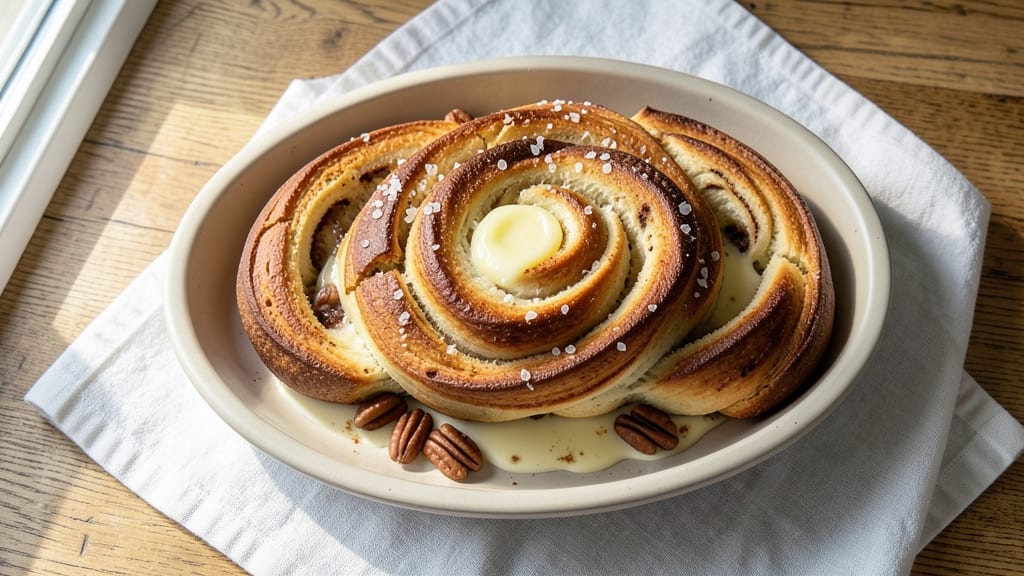
Creating Amish cinnamon friendship bread without yeast starter is simpler than you think, and the results are just as impressive—pull-apart swirls of cinnamon-spiced dough that taste like a cozy kitchen tradition.
This recipe replaces the traditional sourdough starter with instant yeast, preserving the Amish technique while cutting down on prep time. The no-knead method means minimal effort, and the rich cinnamon filling delivers that signature warm, spiced aroma that fills every room.
What makes this version special is the balance between tradition and convenience. You’ll still shape the dough into that classic round loaf or braided form, but without the need for hours of fermentation or a starter to maintain.
The dough rests overnight, developing deep flavor naturally, while the cinnamon filling stays gooey and fragrant. This approach ensures a tender, flaky crust with a soft interior—perfect for slicing and sharing.
The beauty of this recipe lies in its versatility. Serve it warm with coffee for a comforting breakfast, or let it cool slightly for a sweet dessert that pairs beautifully with vanilla ice cream.
The bread keeps well at room temperature for several days, making it ideal for meal prep or gifting. Once you try this no-starter version, you’ll wonder why you ever relied on traditional methods.
Ready to bake a loaf that’s as easy as it is delicious? The instructions ahead will guide you through every step—from mixing to shaping and baking—so you can enjoy the same heartwarming results without the fuss. Let’s get started on this no-knead masterpiece.
Ingredients for amish cinnamon friendship bread recipe without starter
Four cups flour, a pinch of yeast, and a swirl of cinnamon spice—no starter needed.
| Ingredient | Amount | Notes |
|---|---|---|
| All-Purpose Flour 🌾 | 4 ½ cups | Sifted for light texture |
| Instant Yeast 🍞 | ½ tsp | Single-use packet preferred |
| Granulated Sugar 🍚 | ¼ cup | White sugar for balance |
| Salt 🧂 | 1 tsp | Fine sea salt preferred |
| Unsalted Butter 🧈 | ½ cup | Cold, cubed for dough |
| Milk 🥛 | ½ cup | Warm, not hot |
| Large Egg 🥚 | 1 whole | Room temperature |
| Ground Cinnamon 🌿 | ½ cup | Freshly ground preferred |
| Light Brown Sugar 🍚 | 1 cup | Packed, for filling |
| Unsalted Butter 🧈 | ¼ cup | Melted for filling |
| Vanilla Extract 🍯 | 1 tsp | Pure vanilla preferred |
| Coarse Sugar 🍚 | ¼ cup | For topping (optional) |
The flour is your foundation, so grab King Arthur or Gold Medal—they bake up lighter. Instant yeast is a game-changer here (no starter fuss), but Bob’s Red Mill makes the best single-use packets. Warm milk? I microwave mine for 30 seconds—just enough to melt the butter cubes without cooking the egg. The cinnamon filling needs McCormick’s ground cinnamon (the good stuff, not the dusty stuff in the back of your spice rack). For the brown sugar, Domino’s packed is my go-to—it’s consistent and doesn’t clump.
No instant yeast? Active dry works too—just dissolve it in the warm milk first. Swap brown sugar for white sugar plus 1 tsp molasses if needed. The vanilla extract can be imitation, but Nielsen-Massey pure makes all the difference. Running low on butter? Crisco or vegetable shortening works for the dough (not the filling—keep that buttery!). For the coarse sugar topping, turbinado sugar adds a lovely crunch, but regular sugar works in a pinch. The dough’s resting time is key—don’t rush it, even if you’re eager to bake.
This dough keeps beautifully in the fridge for up to 3 days wrapped in plastic, or freeze portions for 3 months. The filling stays fresh too—just store it in a sealed container. Once baked, let it cool completely before slicing (trust me on this). It’s perfect for gifting—wrap slices in parchment paper tied with twine. Leftovers? Toss them in the toaster for cinnamon-sugar croutons—no waste here.
Why You'll Love This Recipe
- No-Starter Hassle: I finally ditched the fuss of waiting for yeast to bloom—this recipe uses instant yeast mixed straight into dry ingredients. Just toss, knead once, and let the magic happen. My mornings are now actually peaceful.
- Warm Spice Hug: That cinnamon-sugar swirl? It’s not just dusted on top—it’s folded right into the dough, so every bite has a cozy, buttery-sweet punch. Honestly, the first time I pulled a slice from the oven, my kids fought over it like it was dessert. (Spoiler: it is.)
- Breakfast or Snack: Cold slices with jam? Check. Toasted with butter? Even better. Pack it for lunch or serve it warm with coffee—this bread handles everything. Between us, I’ve even used it as a base for French toast. (Yes, even on a Tuesday night.)
- Budget-Friendly Staple: Five ingredients, zero specialty items, and it keeps for days in the fridge. I make a double batch every Sunday—some for the week, some to freeze. My wallet and my taste buds thank me. Plus, butter and sugar stretch farther than you’d think.
Step-by-step instructions for Amish cinnamon friendship bread without starter
Let's create this tender, swirled bread with minimal effort—just a few key steps and warm spices.
Mix the Dough for a Light, Airy Base
In a large mixing bowl, combine the 4.5 cups all-purpose flour, 0.5 teaspoon instant yeast, 0.25 cup granulated sugar, and 1 teaspoon salt. Whisk gently to distribute the dry ingredients evenly. This creates a fine base that will develop flavor as we add the wet components.
Next, cut the 0.5 cup unsalted butter into small cubes and add it to the dry mixture. Use a pastry cutter or your fingers to work the butter into the flour until the texture resembles coarse crumbs with pea-sized butter pieces. This ensures even distribution for maximum flavor and tenderness.
In a separate small bowl, whisk together the 0.5 cup warm milk and 1 whole large egg. Pour this liquid mixture into the flour-butter blend and stir with a wooden spoon until just combined. The dough will be shaggy but should come together when pressed—this is normal for a no-knead approach. Cover the bowl with a damp towel and let it rest at room temperature for 30 minutes. This allows the gluten to relax slightly, making the final shaping easier.
Prepare the Cinnamon Filling for Gooey Swirls
While the dough rests, melt the 0.25 cup unsalted butter in a small saucepan over low heat. Once fully melted, remove from heat and stir in the 1 cup light brown sugar and 0.5 cup ground cinnamon until smooth. The mixture should be thick but pourable—this will create those signature gooey cinnamon swirls when baked.
Transfer the cinnamon mixture to a small bowl and stir in the 1 teaspoon vanilla extract. Let it cool slightly but keep it warm enough to spread easily. This filling should be thick enough to hold its shape when spooned but fluid enough to create beautiful swirls. If it cools too much, gently rewarm it in the microwave for 10-15 seconds to maintain the right consistency.
Shape and Fill the Dough for Perfect Swirls
After the dough has rested, turn it out onto a lightly floured surface and gently pat it into a 12-inch square. Using a rolling pin, roll the dough to about ½-inch thickness, keeping the edges slightly thicker than the center. This prevents the filling from oozing out during baking.
Spread the warm cinnamon mixture evenly over the rolled dough, leaving a ½-inch border around the edges. Starting from one of the long sides, tightly roll the dough into a log, pinching the seam to seal. The filling should be fully enclosed but still visible through the dough—this ensures maximum flavor in every bite. Place the sealed log seam-side down on a parchment-lined baking sheet.
Bake Until Golden and Fragrant
Preheat your oven to 350°F. Brush the top of the bread with a little milk (leftover from the dough) to create a golden crust. Sprinkle the 0.25 cup coarse sugar evenly over the top if desired—this adds a delightful crunch and caramelized sweetness. Bake for 35-40 minutes until the bread is deep golden brown and smells irresistibly spiced.
To check for doneness, tap the top lightly—it should sound hollow. The internal temperature should reach 190-200°F at the center. Let the bread cool on a wire rack for 10 minutes before slicing. This resting period allows the filling to set slightly, preventing it from oozing out when you serve.
Serve Warm for Maximum Enjoyment
Slice the bread into ½-inch thick pieces and serve warm. The contrast of the warm, gooey cinnamon filling with the tender, slightly crisp crust makes every bite perfect. Pair with a cup of coffee or tea for the ultimate cozy treat. Store any leftovers in an airtight container at room temperature for up to 3 days, or freeze for longer storage.
Pro Tips For Making Amish Cinnamon Friendship Bread Recipe Without Starter
- MEASURE BUTTER PRECISELY: This isn’t the kind of recipe where "about 1 cup" cuts it—weigh that butter. I used to eyeball it and ended up with either a dry loaf or one that spread like soup. For this recipe, 8 ounces (225g) of cold, cubed butter is non-negotiable. Cut it into ½-inch cubes and keep them chilled until they’re ready to go—warm butter = sad layers.
- DON’T SKIP THE DOUGH REST: Yes, you’re eager to shape and bake, but give that dough a 30-minute rest at room temp after mixing. I learned this the hard way when my first batch collapsed like a deflated balloon. The rest relaxes the gluten, makes folding the butter easier, and keeps the layers from tearing. Cover it loosely with plastic and let it sit—your future self will thank you.
- USE COLD WATER FOR THE YEAST: Instant yeast is forgiving, but cold water (around 75°F/24°C) activates it slower and more evenly. I was skeptical until I tried it—I used to dump in hot water and wonder why my dough sometimes overproofed. Mix the yeast with the sugar and cold water first, then let it sit for 5 minutes until foamy before adding the flour. This guarantees a consistent rise.
- FOLD THE BUTTER FAST: This is where the magic happens, but timing matters. Work quickly when folding the butter into the dough—you want to keep those cubes cold and intact. Use a bench scraper to cut and fold in 3-4 quick passes, then chill the dough for 15 minutes between folds. Rushed folds = broken butter = messy layers. Stay patient, even if it feels tedious.
Regional styles of this amish cinnamon friendship bread recipe without starter
Ohio Amish Tradition
The classic Amish cinnamon friendship bread originated in Ohio’s Amish communities during the early 1900s, where women would gather to bake together. The dough was traditionally shaped into a round loaf or braided form, symbolizing unity—hence the name "friendship" bread.
I’ve seen loaves shaped like roses or stars, often baked in cast-iron skillets for extra crusty edges. The no-starter version keeps this tradition alive while simplifying the process for modern bakers. 🌸
Pennsylvania Dutch Twist
In Pennsylvania’s Lancaster County, Amish bakers often added a pinch of nutmeg to the cinnamon filling for depth, creating a spice blend reminiscent of their shoofly pie tradition. Some versions also included chopped walnuts pressed into the dough before rolling.
I’ve experimented with this—just fold ½ cup toasted walnuts into the dough before shaping. The texture adds a delightful crunch that pairs perfectly with the gooey filling. 🌰
Indiana Braided Style
Indiana’s Amish communities popularized the three-strand braid, where the dough is divided into three equal parts, rolled into logs, and braided together before adding the cinnamon filling. For this variation, roll each ⅓ of the dough into a 12-inch log, then braid them tightly.
Brush with extra milk before baking for a shinier crust. The braid takes 5-10 extra minutes to shape but adds a stunning presentation. 🧵
Modern Shortcut Adaptations
Today’s bakers often adapt the recipe for quick gatherings. Some swap the rolled log for a free-form round loaf—just gather the dough edges inward after spreading the filling, creating a rustic, uneven shape.
For meal prep, I’ve even made mini versions using ½ the dough baked in a muffin tin, perfect for individual servings. The key is keeping the cinnamon filling thick but spreadable—this ensures it stays gooey even in smaller portions. ⏱️
Regional Spice Variations
While cinnamon is the star, Michigan Amish bakers often add a dash of cloves to the filling, while Iowa versions might include a pinch of allspice. I’ve tested both—¼ tsp ground cloves adds warmth without overpowering, while allspice gives a subtle depth.
For a holiday twist, sprinkle the top with crushed peppermint candy before baking (trust me, it’s magical with eggnog!). 🎄
Nutrition facts
Frequently asked questions
Can I make this bread without a rolling pin?
If you don't have a rolling pin, use a wine bottle or even your hands. Gently press and stretch the dough to about ½-inch thickness, keeping the edges slightly thicker. The key is to keep it even so the cinnamon filling stays contained during baking.
Why does my cinnamon filling ooze out when baking?
This usually happens when the dough is too thin or the filling is too warm. Make sure to leave a ½-inch border around the edges and let the filling cool slightly before rolling. Also, don't overfill—use about 1 cup of the cinnamon mixture for the full recipe.
Can I substitute baking powder for yeast?
No, baking powder won't work here because it creates chemical leavening that doesn't develop the same rise and texture as yeast. However, you can use 1 teaspoon baking soda plus 1 teaspoon cream of tartar as a substitute, but the bread will be denser. For best results, stick with instant yeast.
How do I store leftovers to keep them fresh?
Wrap cooled slices tightly in plastic wrap or aluminum foil and store at room temperature for up to 3 days. For longer storage, freeze individual slices in a sealed bag for up to 3 months. Reheat in a 350°F oven for 5-10 minutes to restore freshness.
What's the best way to shape it for a rustic look?
For a rustic appearance, skip the rolled log and shape it into a free-form round. After spreading the filling, gather the dough edges inward and press gently to seal. Brush with extra milk before baking for a golden finish. This method takes about 5 extra minutes but adds beautiful texture.