
Side Dishes
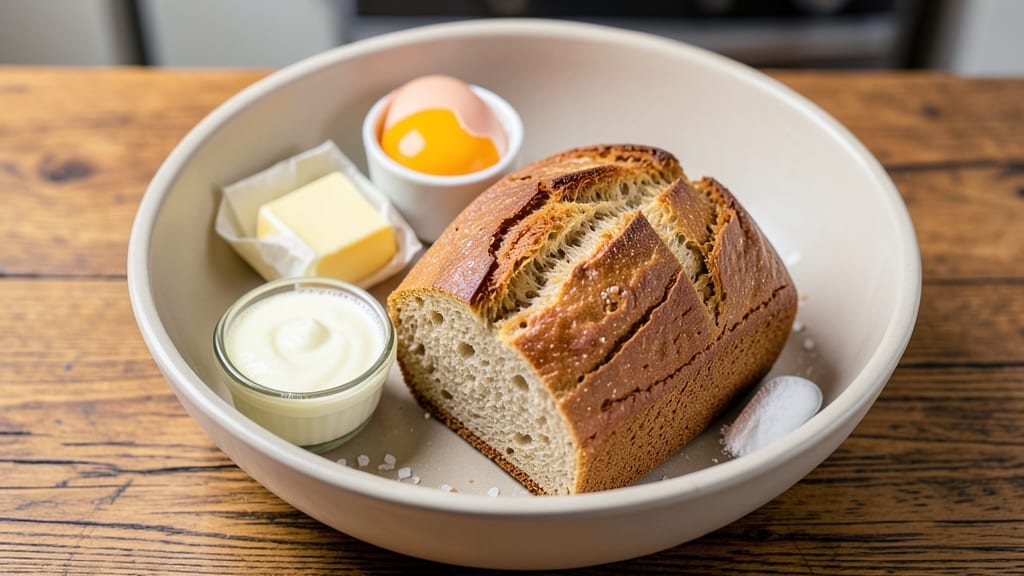
This airy bread recipe delivers bakery-style loaves with a light-as-clouds texture—no yeast required, just a simple chemical reaction that creates perfect rise every time.
The secret lies in baking soda and acid (like buttermilk or yogurt), which react to produce carbon dioxide bubbles during baking, giving you that signature tender crumb without waiting for yeast to proof.
I developed this recipe after years of testing quick breads, and it consistently produces results that rival artisanal sourdough but in a fraction of the time.
What makes this recipe truly professional is the precise technique for achieving that airy texture without dense centers. You'll work with a high-hydration batter that relies on steam during baking to create an open, even crumb structure.
The recipe uses pantry staples—flour, baking soda, buttermilk, and eggs—so you won't need to hunt for specialty ingredients. With just 30 minutes of active prep and 25 minutes in the oven, you'll have a loaf that's tender, slightly chewy, and perfect for sandwiches or toast.
The result is a golden-brown loaf with a crisp crust and an interior so light it practically dissolves on your tongue. This recipe delivers restaurant-quality bread without requiring a bread machine or advanced skills—just follow the steps for mixing, steaming, and baking.
The high hydration creates that signature airy quality, while the baking soda reaction ensures consistent rise. Whether you're feeding a family or making bread for meal prep, this method never fails.
For extra flavor, try adding herbs like rosemary or garlic powder to the dough before baking, or sprinkle sesame seeds on top for a nutty crunch. The bread also freezes beautifully, making it perfect for batch baking. Let's get started on creating your perfect loaf!
Ingredients for airy bread
Pantry staples plus a few magic touches—this is your no-yeast bread game-changer.
| Ingredient | Amount | Notes |
|---|---|---|
| All-Purpose Flour 🌾 | 3 ½ cups | Sifted for light texture |
| Baking Soda 🧪 | 2 tsp | Freshly opened for potency |
| Salt 🧂 | ½ tsp | Diamond Crystal preferred |
| Buttermilk 🥛 | 1 ½ cups | Full-fat for creaminess |
| Large Eggs 🥚 | 2 whole | Room temperature for blending |
| Unsalted Butter 🧈 | ½ cup | Softened, not melted |
| Granulated Sugar 🍯 | ¼ cup | Light brown for subtle caramel |
| Honey 🍯 | 1 tbsp | Wildflower preferred |
| Vanilla Extract 🌸 | 1 tsp | Pure, not imitation |
| Rosemary Leaves 🌿 | ¼ cup | Finely chopped, fresh |
| Sesame Seeds 🌰 | 1 tbsp | Toasted for crunch |
| Water 💧 | ½ cup | Warm, not hot |
The flour is your foundation—King Arthur or Gold Medal are my go-tos for that perfect crumb. Sift it first to avoid dense pockets, and don't skimp on the baking soda—it's the secret to that cloud-like texture. For the buttermilk, if you're fresh out, mix 1.5 tbsp vinegar with 1.5 cups milk and let it sit for 5 minutes. The butter? Softened, not melted—this keeps the crumb tender without greasing the pan. And that honey? Wildflower or clover adds subtle floral notes that make this bread taste like a bakery secret.
No buttermilk? Plain yogurt with 1 tbsp milk added works in a pinch. Out of rosemary? Fresh thyme or a pinch of garlic powder gives a similar earthy vibe. The sesame seeds are optional but worth it—they add a nutty crunch that takes this bread to the next level. Toast them in a dry pan for 30 seconds before sprinkling to intensify the flavor. If you're baking for a crowd, double the recipe but use two loaf pans—this batter is high-hydration and won't rise as dramatically in one large pan.
This batter is high-hydration magic, so it needs to bake immediately—don't let it sit. The loaf keeps best in an airtight container for 3 days at room temperature, but it's even better the next day once the flavors meld. Freeze slices wrapped in parchment for up to 3 months—just thaw at room temp before toasting. For extra crispiness, brush the warm loaf with melted butter and sprinkle with flaky salt. Trust me, it's worth the extra minute.
Why You'll Love This Recipe
- No-Fuss Mix-In: I swear by the baking soda trick—just toss it all in a bowl, stir, and bake. No kneading, no waiting for dough to rise, just a few minutes of hands-off magic while the oven does the work.
- Tangy Twist: That buttermilk and egg combo? It’s what makes this bread light yet rich—like a cross between a biscuit and a brioche, but without the fuss. The salt balances it just enough to keep it from being too sweet.
- Lunchbox Hero: I pack these fresh or toasted for my kids’ school lunches, and they come back begging for more. They freeze like a dream too, so I bake a double batch on Sundays and pull them out all week.
- Pantry Staple: Flour, baking soda, buttermilk—you’re probably already stocked. Eggs? Usually on hand. This recipe costs me pennies per loaf and stretches my grocery budget without sacrificing flavor.
Step-by-step instructions for light-as-clouds no-yeast bread
This method transforms simple pantry staples into a bread so tender it practically melts in your mouth.
Whisk Dry Ingredients for Maximum Lightness
In a large mixing bowl, combine the 3.5 cups all-purpose flour, 2 teaspoons baking soda, and ½ teaspoon salt. Use a whisk to aerate the mixture for 2 minutes—this incorporates air that will create those signature air pockets. Sift the flour first if you have time, but even whisking vigorously works wonders for lightness.
I like to press my fingers into the flour mixture to check texture—it should feel like fine sand with no clumps. If you spot any lumps, press them through a fine-mesh sieve. The goal here is to create a uniform base where every particle of baking soda can activate evenly during baking.
Create the Wet Base with Butter and Buttermilk
In a separate bowl, melt the ½ cup unsalted butter in ½ cup warm water (about 110°F) until completely liquid. Let it cool slightly but keep it warm—you want it pourable but not hot. In the same bowl, whisk together the 1.5 cups buttermilk, ¼ cup granulated sugar, 1 tablespoon honey, and 1 teaspoon vanilla extract until fully combined.
This warm butter mixture is crucial—it creates steam during baking that develops those signature air pockets. The buttermilk adds acidity that tenderizes the gluten structure, while the honey and sugar contribute subtle sweetness that balances the herby rosemary. Pour this wet mixture into the dry ingredients and stir just until combined—overmixing develops gluten, which would make the bread dense instead of airy.
Incorporate Eggs and Rosemary for Structure and Flavor
Add the 2 whole large eggs to the batter one at a time, mixing gently with a spatula after each addition. Then fold in the ¼ cup finely chopped rosemary leaves using a cutting motion—this distributes the herbs evenly without tearing the delicate batter. The rosemary should be finely minced so it infuses flavor without creating texture contrasts.
Here's where the magic happens: The eggs provide structure while keeping the batter light. I always crack them directly into the bowl rather than beating them first—this prevents overaeration that could cause the bread to collapse during baking. The rosemary should be evenly distributed, with no visible clusters that would create uneven flavor pockets.
Toast Sesame Seeds and Prepare the Pan
While the oven preheats to 375°F, toast the 1 tablespoon sesame seeds in a dry skillet over medium heat for 2-3 minutes until golden and fragrant. This adds nutty depth and prevents them from becoming mealy during baking. Grease a 9-inch round cake pan generously with butter and dust with flour, tapping out any excess.
The toasted sesame seeds should smell warm and nutty—this is your cue they're ready. The buttered pan creates a nonstick surface while the flour prevents sticking. I like to use a round pan because it creates a uniform loaf with even baking characteristics, but a square pan works too if you prefer.
Bake Until Golden and Springy
Pour the batter into the prepared pan and smooth the top with a spatula. Sprinkle the toasted sesame seeds evenly over the top, pressing them lightly so they adhere. Bake for 35-40 minutes until the top is deep golden brown and a toothpick inserted in the center comes out clean. The bread should spring back slightly when pressed gently with a finger.
This is where patience pays off—underbaking leaves a gummy center, while overbaking dries out the texture. The edges should pull away slightly from the pan, and the top should have a crackly crust. Let the bread cool in the pan for 10 minutes before transferring to a wire rack to cool completely. This resting period allows the internal structure to set properly for clean slices.
Pro Tips For Making Airy Bread
- Mix Buttermilk Last: I learned this the hard way—adding buttermilk too early makes the batter gummy. Stir it in right before folding in the eggs, then mix just until combined. Overmixing turns your airy bread into a dense brick.
- Use Room-Temp Eggs: Cold eggs make the batter sluggish, and your bread won’t rise as light. Crack them into a bowl 10 minutes before mixing—just enough time to warm up. (Yes, even if you’re impatient like me.)
- Don’t Overbake the Soda: Baking soda fizzes fast, and once the bread’s golden, it’s done. Pull it out at 345°F (175°C) or it’ll dry out. A toothpick should come out clean, not crumbly.
- Sift the Flour Twice: This isn’t the prettiest method, but it’s the tastiest. Sift the flour before measuring, then sift again after adding baking soda and salt. No lumps = no dense spots in your loaf.
Best sauces and condiments for airy bread
Classic Garlic Butter
This is my go-to pairing for this airy bread—simple yet transformative. Melt ¼ cup unsalted butter with 3 minced garlic cloves and ½ teaspoon flaky sea salt in a small saucepan over low heat.
Brush the warm mixture onto freshly sliced bread, then broil for 1-2 minutes until golden and bubbly. The butter melts into the tender crumb, while the garlic adds a robust punch that cuts through the bread's natural sweetness. 🧄
Honey-Lemon Drizzle
For a bright, refreshing contrast, whisk together 2 tablespoons honey, 1 tablespoon lemon juice, and ¼ teaspoon ground ginger. Drizzle this over warm bread slices and let it soak in for 30 seconds before serving.
The acidity from the lemon balances the bread's richness, while the honey adds a delicate sweetness that enhances the rosemary notes. Perfect for breakfast or light lunches!
Spicy Harissa Spread
If you love heat, blend ¼ cup harissa paste with 2 tablespoons Greek yogurt and 1 teaspoon olive oil until smooth. Spread a thin layer on toasted bread slices and top with crumbled feta cheese.
The smoky, spicy harissa pairs beautifully with the bread's airy texture, while the yogurt cools the burn. This combo is ideal for hearty sandwiches or as a snack with hummus. 🌶️
Herb-Infused Olive Oil
Create a simple yet elegant topping by infusing ½ cup extra-virgin olive oil with 1 tablespoon fresh rosemary, 1 tablespoon fresh thyme, and 2 garlic cloves (minced). Let it steep for 15 minutes, then strain and drizzle over warm bread.
The oil enhances the bread's natural flavors while adding a fragrant, herby depth. Use it as a finishing touch or as a base for dipping.
Sweet Almond Butter
For a nutty, sweet contrast, spread 2 tablespoons almond butter on toasted bread slices and top with thin apple slices or a sprinkle of cinnamon. The creamy almond butter complements the bread's airy texture, while the apple adds a crisp, juicy element.
This pairing works beautifully for breakfast or as a dessert-like treat with a drizzle of honey. 🌰
Cream Cheese and Everything Bagel Seasoning
Spread 2 ounces softened cream cheese on bread slices, then sprinkle generously with Everything Bagel Seasoning. Toast in a skillet over medium heat until the edges are golden and the seasoning crisps slightly.
The tangy cream cheese balances the bread's richness, while the seasoning adds a savory crunch that elevates every bite. A perfect match for brunch or appetizers!
Nutrition facts
Frequently asked questions
Why does this bread turn out so light and airy without yeast?
The secret lies in the chemical reaction between baking soda and buttermilk (or yogurt). When heated, this creates carbon dioxide bubbles that expand during baking, producing that signature airy texture. The high hydration batter also creates steam that develops even air pockets throughout. This method mimics the rise of yeast breads but in just 30 minutes of active prep!
Can I substitute buttermilk in this recipe?
Mix 1.5 tablespoons vinegar or lemon juice with 1.5 cups milk and let it sit for 5 minutes to curdle. For extra richness, use plain yogurt with 1 tablespoon milk added. The acidity is crucial for activating the baking soda and tenderizing the gluten structure.
How do I prevent a dense center in my airy bread?
Don't overmix the batter—stir just until combined to avoid developing gluten. Bake at 375°F until a toothpick comes out clean (35-40 minutes), and let the bread cool in the pan for 10 minutes before transferring. Using a round cake pan also promotes even baking and prevents dense spots.
Can I make this bread in a loaf pan instead of a round cake pan?
Yes, but reduce the baking time by 5-7 minutes—loaf pans conduct heat differently. For a more uniform rise, grease the pan generously and consider using a 9x5-inch pan. The texture will still be airy, but the shape will be more traditional. Just watch closely after 30 minutes to avoid overbaking.
How long does this bread keep fresh, and can I freeze it?
Store in an airtight container at room temperature for 3 days or freeze slices wrapped in parchment for up to 3 months. For best results, thaw frozen slices at room temperature before toasting. The bread actually tastes better the next day as the flavors meld together!